Celebrating love in all its diversity
Every couple is unique, and so are their families, friends, and traditions. Planning an inclusive wedding means creating a space where everyone feels welcome, respected, and part of the celebration. From the menu to the music, every detail can be an opportunity to embrace cultural, religious, gender, and ability diversity. Here is how to do it.
Ceremonies that reflect identities and beliefs
Many couples combine cultural or religious traditions, or prefer a symbolic ceremony that represents their story. Integrating meaningful rituals, inclusive readings, or adapting the language to represent both members of the couple (without assuming traditional gender roles) is a beautiful way to honor all identities.
If there are guests of different faiths, it can also be a thoughtful gesture to briefly explain certain rituals in the ceremony program so that everyone understands and feels part of the moment.
A menu designed for everyone
Inclusion is also served at the table. Considering vegetarian, vegan, gluten-free, and lactose-free options, or those adapted to religious restrictions (such as halal or kosher menus), demonstrates care and sensitivity.
Beyond meeting requirements, it is about offering alternatives that are just as delicious and well-presented, so that no one feels their choice is secondary.
Accessible and comfortable spaces
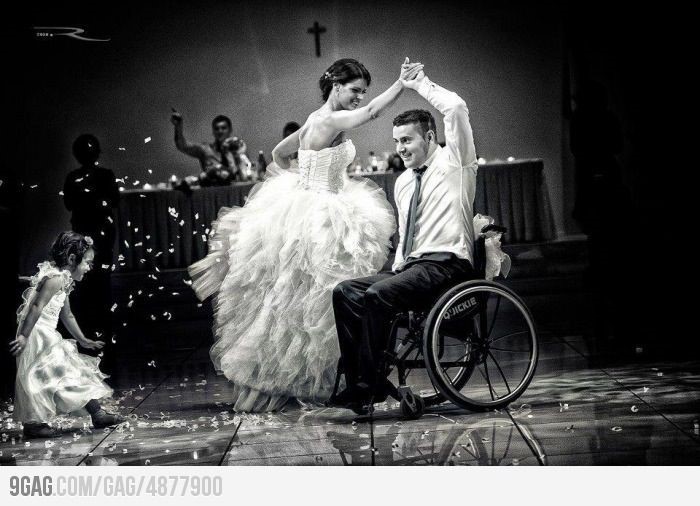
Reviewing the accessibility of the venue is essential: ramps, adapted restrooms, clear signage, and wide spaces for people with reduced mobility. It is also important to consider rest areas for the elderly, quiet spaces for those who need a moment of calm, or even areas adapted for children.
An inclusive wedding considers the complete experience of every guest.
Communication and inclusive language
From the invitations to the wedding website, language can make a difference. Avoiding expressions that reinforce gender stereotypes, allowing people to indicate their pronouns, and being mindful of how traditional moments (such as the first dance) are announced helps everyone feel recognized.
Small changes in words lead to big changes in how the celebration is experienced.
Music and traditions that represent everyone
If the wedding brings together different cultures, music can be a wonderful meeting point. Alternating styles, including songs meaningful to different generations or traditions, and explaining their significance creates an atmosphere of connection and respect.
The same applies to rituals: integrating elements from both families or creating new shared symbols turns the wedding into an authentic reflection of the couple.
A team aligned with your values
Choosing vendors who share an inclusive vision is key. From the coordination team to photography or catering, working with professionals sensitive to diversity ensures respectful treatment of the couple and every guest.
Inclusion is not a trend; it is an attitude.
At El Telar de Miguel Martí, we believe in weddings where every story has a place and every person feels welcome. If you dream of a day that celebrates love in all its forms, we would be delighted to join you in designing an authentic, respectful, and meaningful celebration 🤍✨

